During What Month Is The Sun Closest: To Earth ((hot))
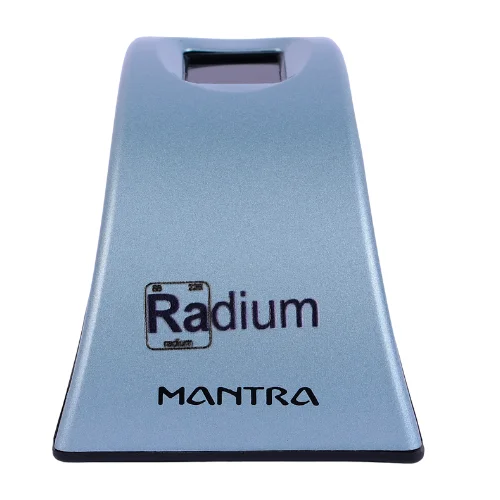
We provide easy and hassle-free RD service renewal and recharge of Mantra
MFS110
RD Service Online provides all types of latest device driver softwares with
ease to download and 365 days installation support service.

STQC Certified
Mantra MFS series is STQC certified provides confidence to the users
of the biometric devices that the certified devices are reliable, secure and of optimum quality

Best Price
This is the right platform for you to look for a MFS110 V54 that fits
your budget, technical and design requirements

Unlimited support
In addition to unlimited support, our servico support team of experts
provide you with effective solutions to all the error you are facing while using Mantra devices

Real time update
We provide real-time updates that allow you to monitoring the
activities on your requested servico.
Leo scrolled down. An animation showed Earth’s elliptical orbit—not a perfect circle, but a slight oval. The sun sat off-center. In early January, Earth reaches perihelion , its closest point: about 91.4 million miles away. In July, aphelion : nearly 94.5 million miles. A difference of three million miles—enough to affect the sun’s apparent size, but not enough to override the seasons.
“July, sweetheart. Definitely July.”
“Because of the tilt,” Leo said, finding a diagram. “In January, the Northern Hemisphere is tilted away from the sun. Sunlight hits at a low angle, spread out, weak. July is hot because we’re tilted toward it—even though we’re farther away. Distance doesn’t win. Angle does.”
Here’s a short story inspired by the question: “During what month is the sun closest to Earth?”
Leo opened his mouth, then closed it. That was… a good point.
During What Month Is The Sun Closest: To Earth ((hot))
Leo scrolled down. An animation showed Earth’s elliptical orbit—not a perfect circle, but a slight oval. The sun sat off-center. In early January, Earth reaches perihelion , its closest point: about 91.4 million miles away. In July, aphelion : nearly 94.5 million miles. A difference of three million miles—enough to affect the sun’s apparent size, but not enough to override the seasons.
“July, sweetheart. Definitely July.”
“Because of the tilt,” Leo said, finding a diagram. “In January, the Northern Hemisphere is tilted away from the sun. Sunlight hits at a low angle, spread out, weak. July is hot because we’re tilted toward it—even though we’re farther away. Distance doesn’t win. Angle does.”
Here’s a short story inspired by the question: “During what month is the sun closest to Earth?”
Leo opened his mouth, then closed it. That was… a good point.