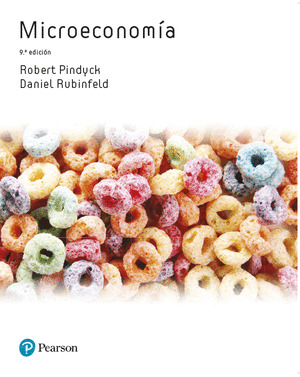
PINDYCK, ROBERT, RUBINFELD, DANIEL
MICROECONOMÍA (9ª EDICIÓN, 2018)
978-84-9035-574-9 / 9788490355749
86,43 €
comprar
978-84-9035-574-9 / 9788490355749
But then she remembered the incident — the one that didn't fit into any Milestone checkbox.
“Show me what you did about this,” he said.
Maya showed him the new monthly “Human Moments” M&M conference — not for medical errors, but for moments where the right answer wasn’t in UpToDate. Residents presented cases like Jamie’s. They role-played difficult conversations. They graded each other not on knot-tying speed, but on the quality of their silences.
Dr. Maya Chen stared at the blinking cursor on her laptop. It was 11:47 p.m. The ACGME Self-Assessment form for her residency program sat half-finished. Six tabs were open: duty hour logs, case logs, survey results, and a PDF of the “Common Program Requirements.” She sighed. This wasn't a story. It was a tax return in medical drag.
Dr. Harris closed his laptop. “I’ve reviewed 40 programs this year. Yours is the first that taught me something.”
The Moment the Checklist Spoke Back
The ACGME didn’t have a Milestone for that. But Maya wrote one in anyway.
He changed their “needs improvement” in Interpersonal Communication Skills to a “commendation” — with a handwritten note: “Because you assessed what matters.” The ACGME form was submitted at 1:13 a.m. Maya closed her laptop. The checklist was complete. But the real self-assessment wasn’t a form. It was Jamie’s voice, now steady, teaching interns: “When a patient asks if they’re a burden, you don’t answer with data. You answer with your presence. That’s the procedure. And it takes practice.”
But then she remembered the incident — the one that didn't fit into any Milestone checkbox.
“Show me what you did about this,” he said.
Maya showed him the new monthly “Human Moments” M&M conference — not for medical errors, but for moments where the right answer wasn’t in UpToDate. Residents presented cases like Jamie’s. They role-played difficult conversations. They graded each other not on knot-tying speed, but on the quality of their silences.
Dr. Maya Chen stared at the blinking cursor on her laptop. It was 11:47 p.m. The ACGME Self-Assessment form for her residency program sat half-finished. Six tabs were open: duty hour logs, case logs, survey results, and a PDF of the “Common Program Requirements.” She sighed. This wasn't a story. It was a tax return in medical drag.
Dr. Harris closed his laptop. “I’ve reviewed 40 programs this year. Yours is the first that taught me something.”
The Moment the Checklist Spoke Back
The ACGME didn’t have a Milestone for that. But Maya wrote one in anyway.
He changed their “needs improvement” in Interpersonal Communication Skills to a “commendation” — with a handwritten note: “Because you assessed what matters.” The ACGME form was submitted at 1:13 a.m. Maya closed her laptop. The checklist was complete. But the real self-assessment wasn’t a form. It was Jamie’s voice, now steady, teaching interns: “When a patient asks if they’re a burden, you don’t answer with data. You answer with your presence. That’s the procedure. And it takes practice.”